
Wall Lights: A Comprehensive Guide to Light and Design
Wall lights are fixtures attached directly to a wall. They provide light and style for many spaces. People use wall lights in homes and businesses everywhere. These fixtures serve practical and decorative purposes very well. Wall lights can create atmosphere and improve functionality. Understanding wall lights helps you make good choices for your space. This guide explains types benefits and uses of wall lights. It will help you see how wall lights can work for you.
Different Types of Wall Lights
There are many types of wall lights for different needs. You can find the most common type of wall lights listed in the following points:
· Sconces
These are classic wall lights with a shield or cover. Sconces often direct light upward or downward softly. They are common in hallways and beside mirrors. Browse our full range of Wall Sconce to find the right fit.
· Up Lights
These wall lights point light upward toward the ceiling. Up lights create a gentle glow that reflects around a room. They are good for creating a relaxing feeling.
· Down Lights
These wall lights point light downward to the floor. Down lights are useful for lighting a specific pathway or area. You often see them outside or in modern hallways.
· Swing Arm Lights
These wall lights have an arm that extends. You can move the arm to direct light where you need it. Swing arm lights are perfect for reading in bed.
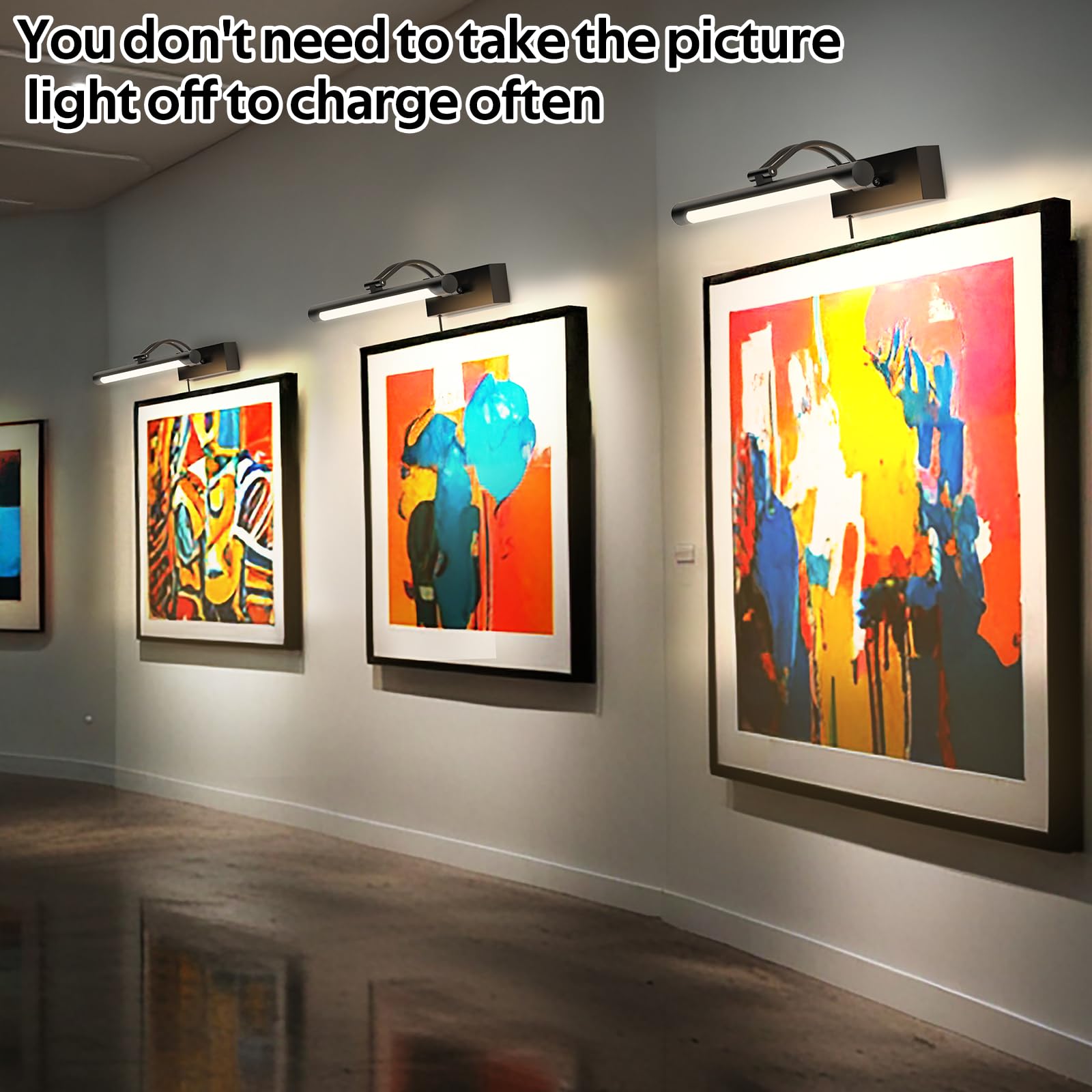
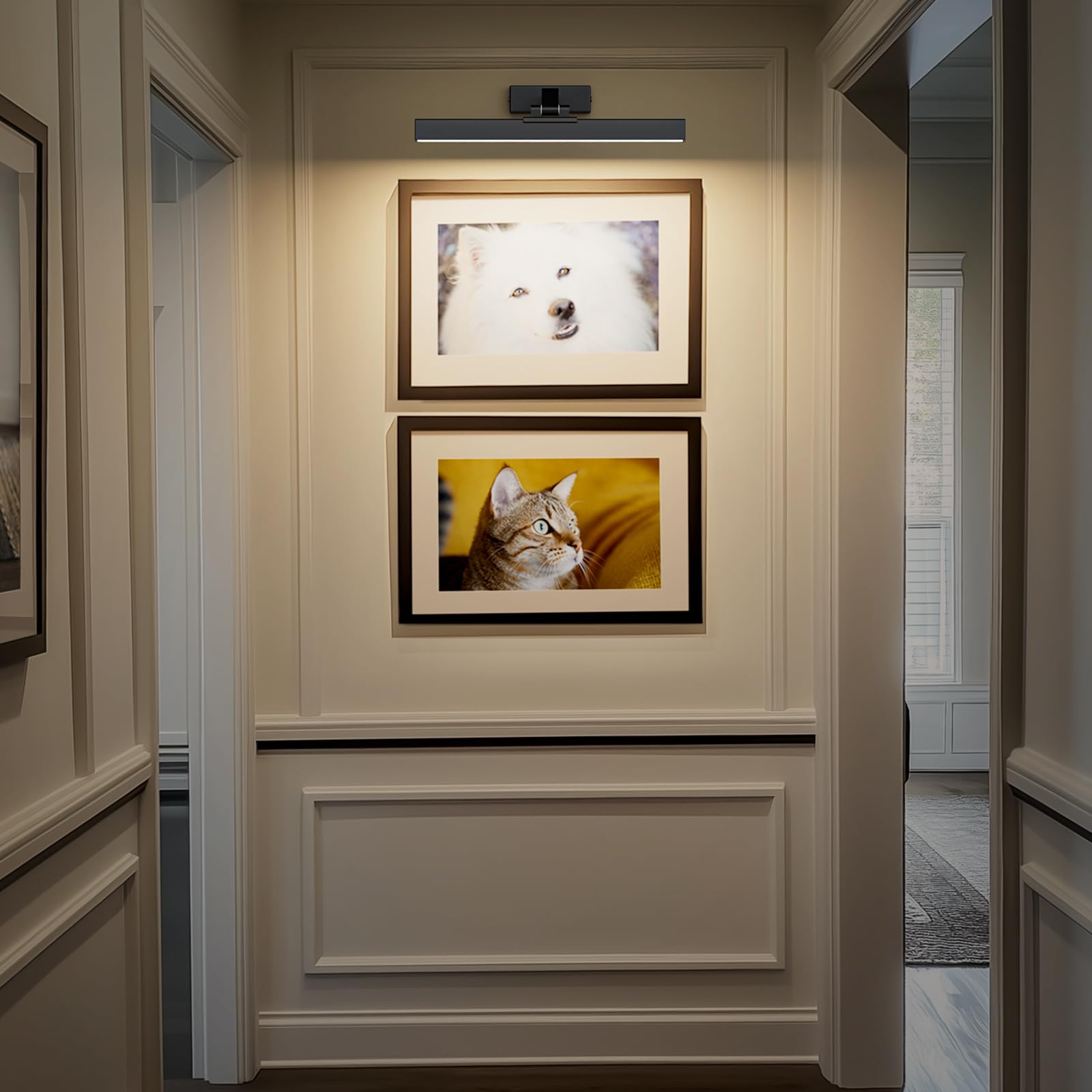
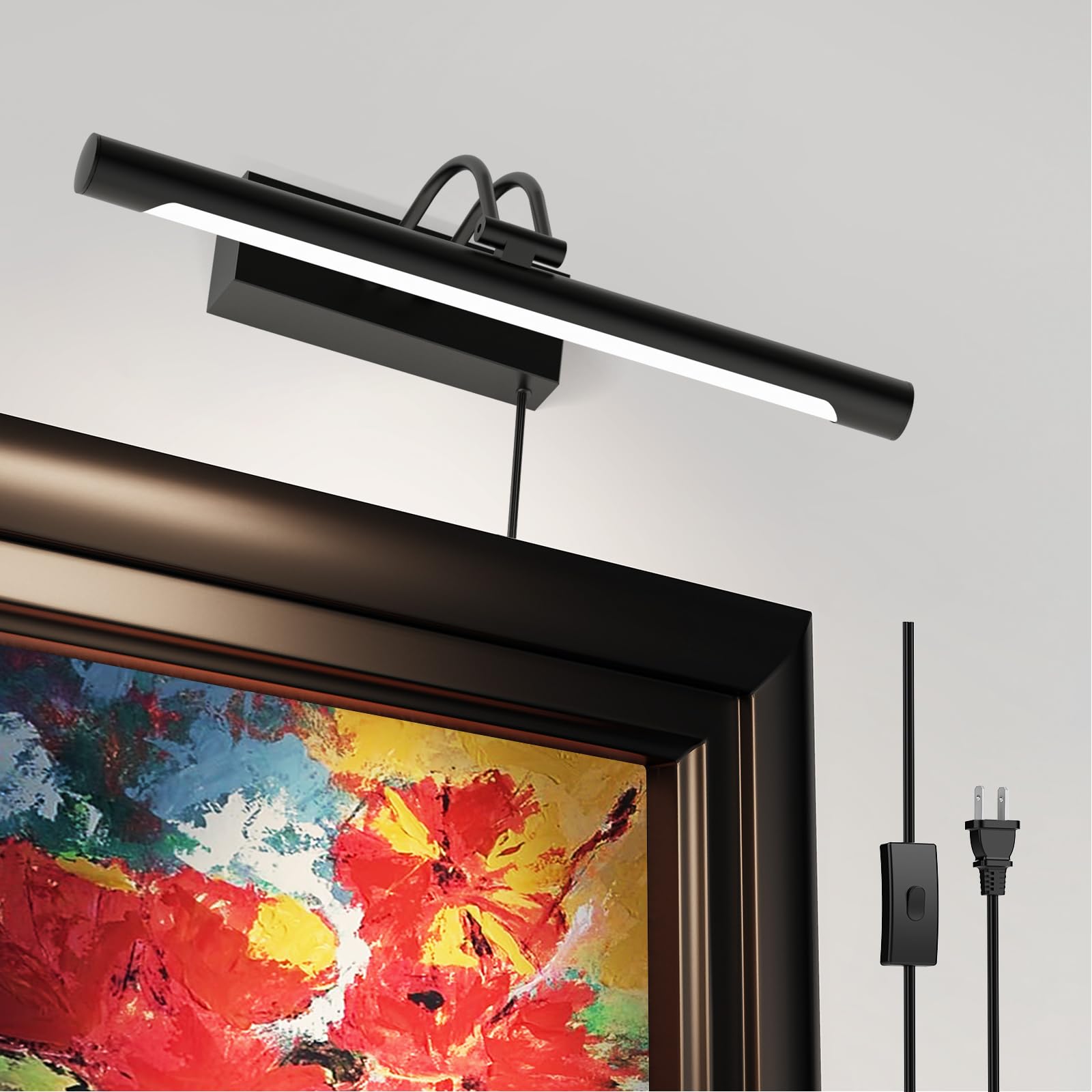
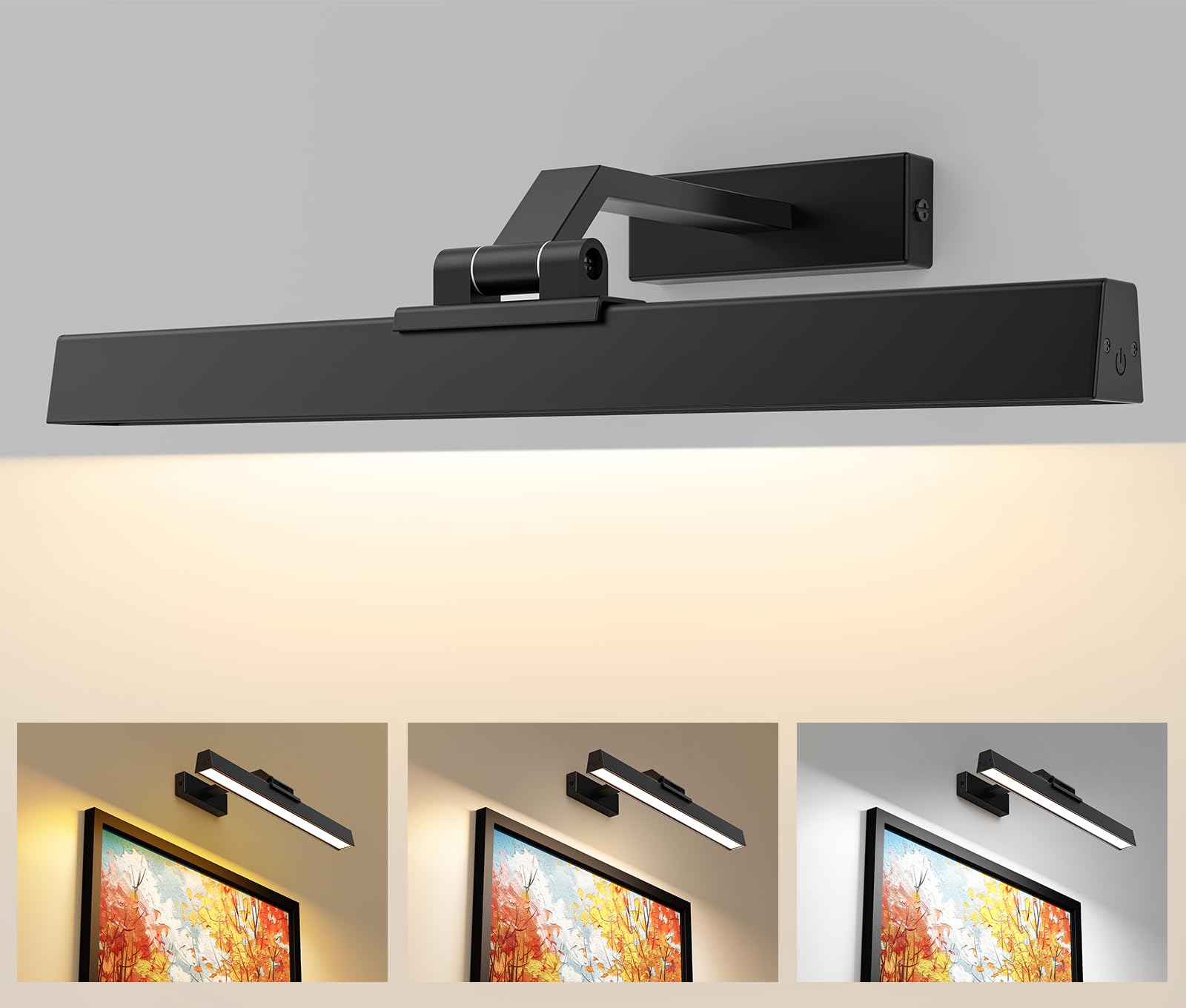
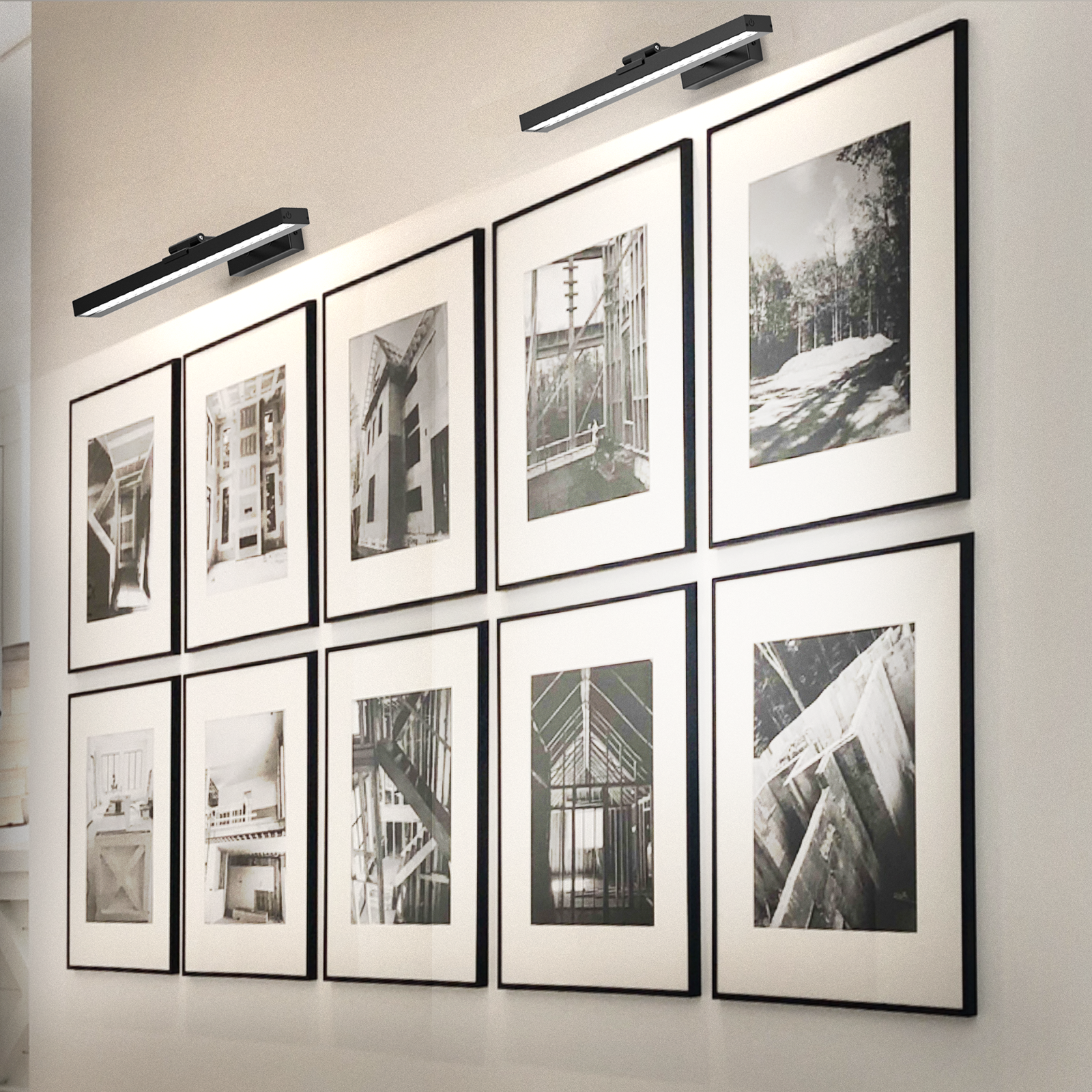
· Picture Lights
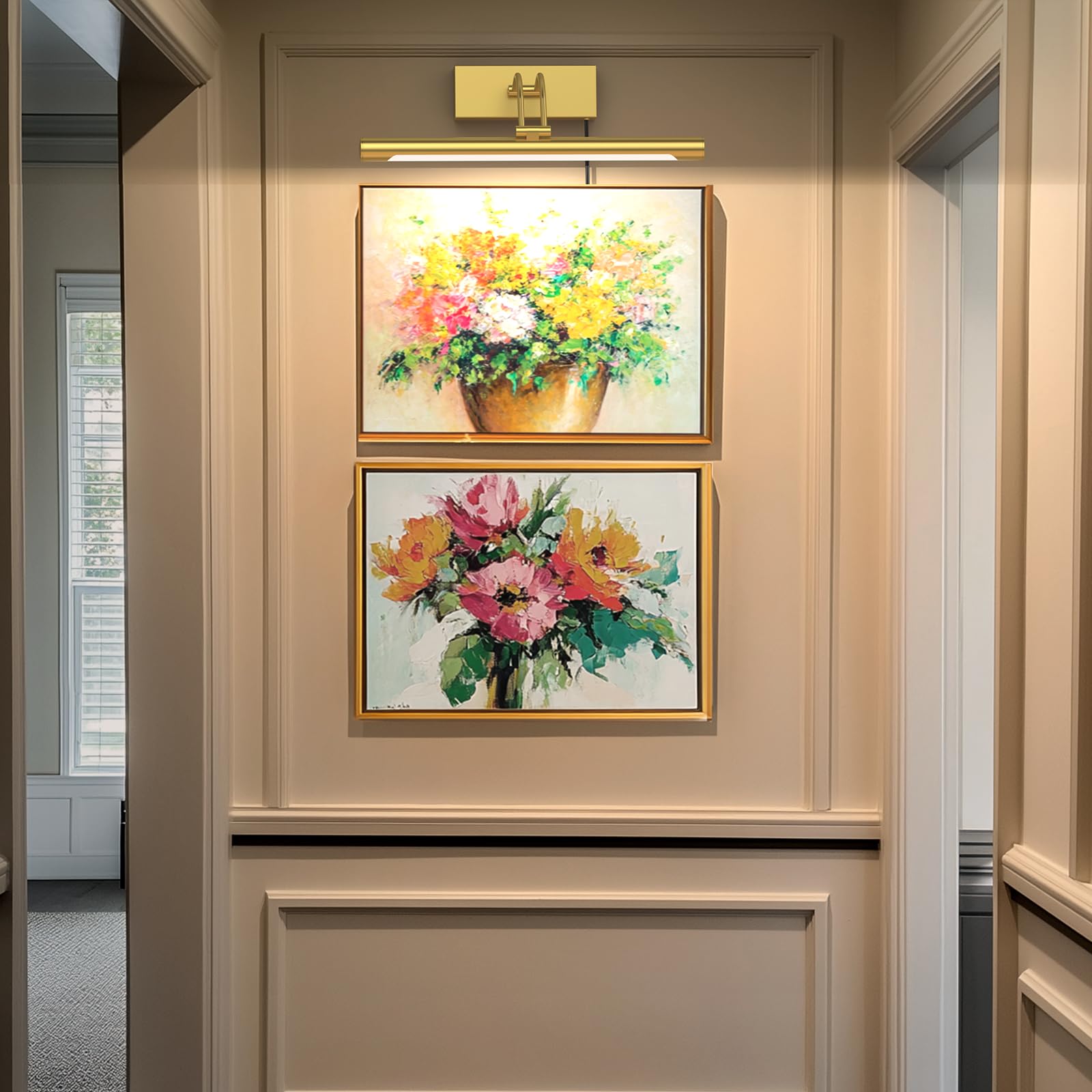
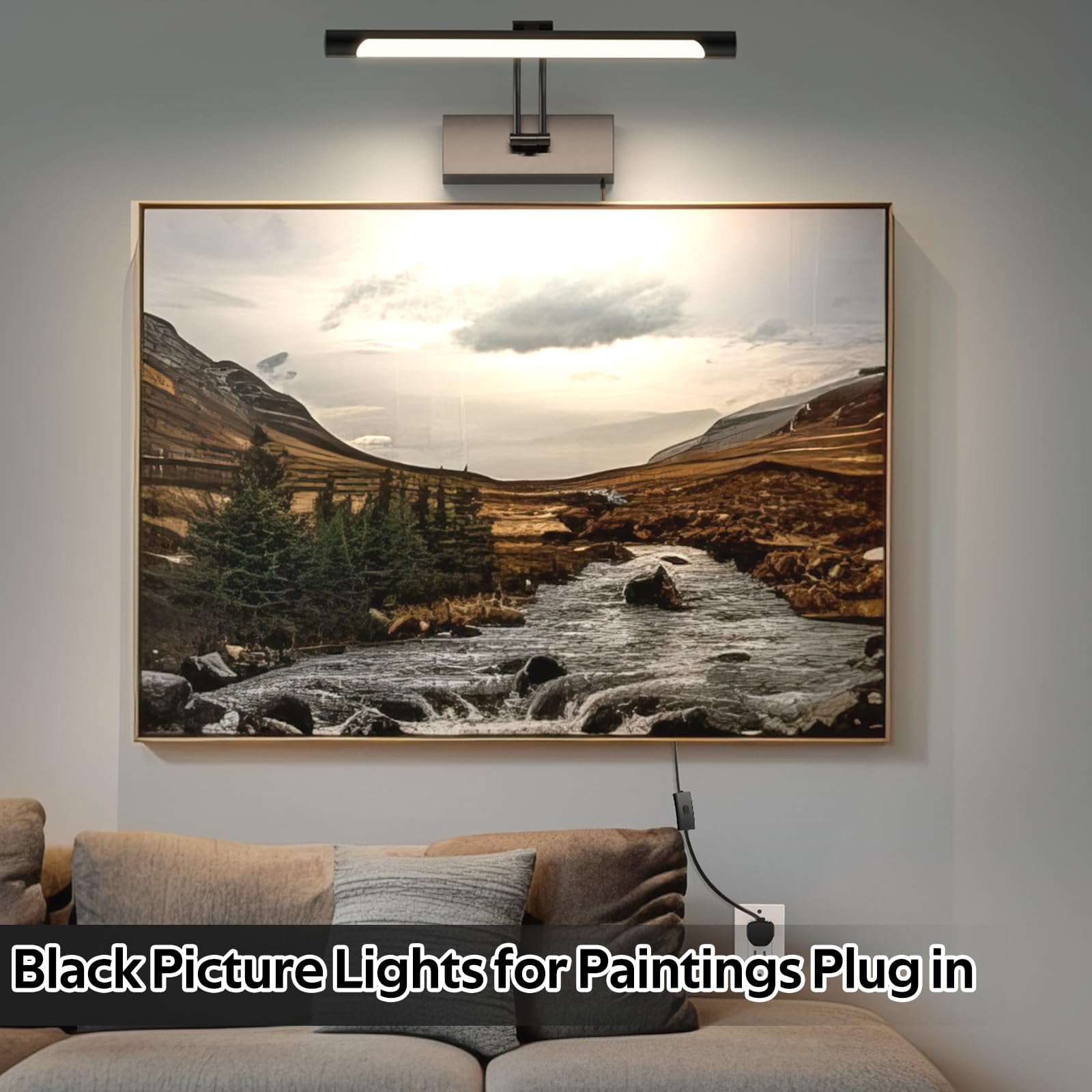
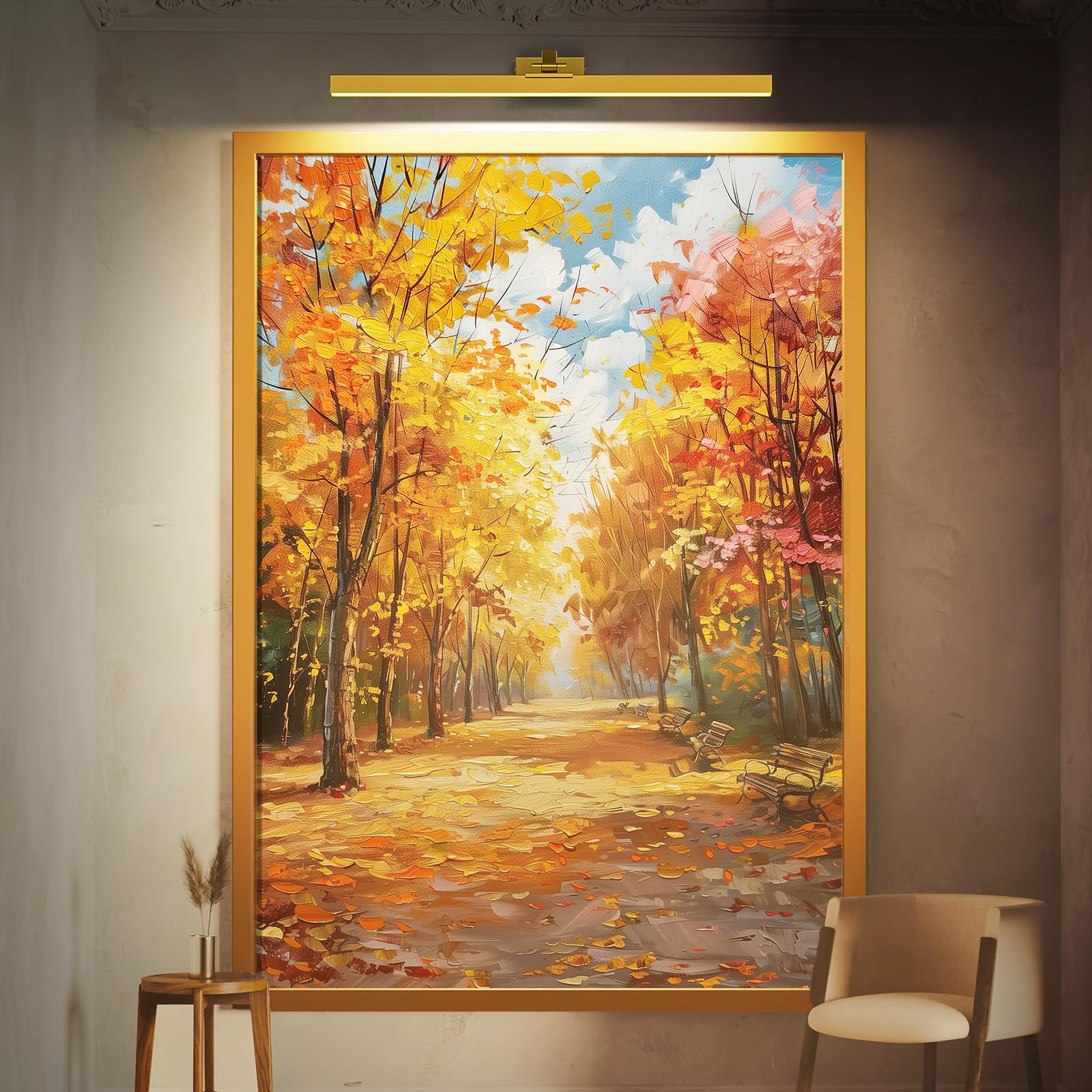
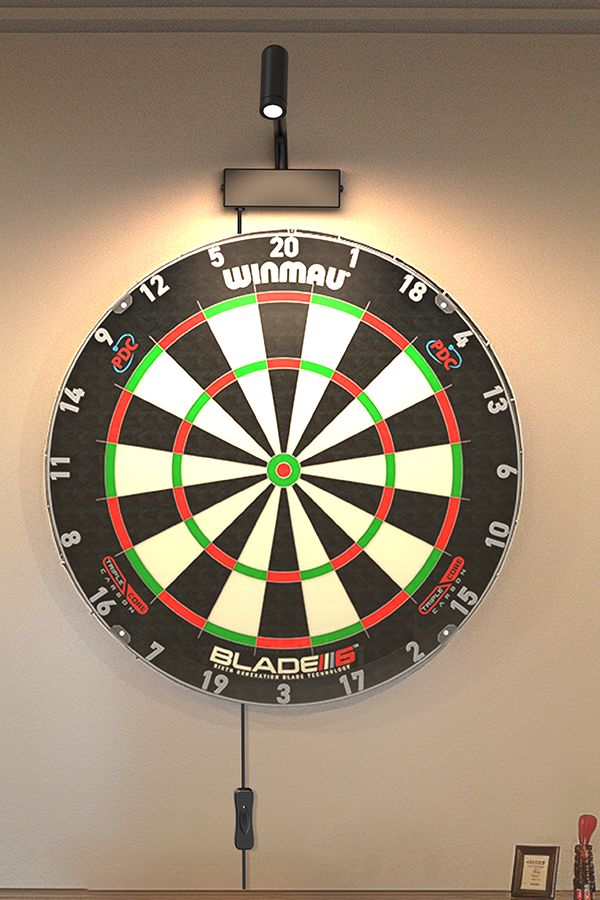
These are small wall lights placed above artwork. Picture lights shine directly on a painting or photograph. They highlight the art and add drama to a room. If you are comparing options, our Picture Light collection is a good place to start.
Functional Benefits of Wall Lights
Wall lights offer several practical advantages over other lighting. They solve specific problems in room design and daily life. You can refer to the following list to understand the different benefits:
· Space Saving
Wall lights do not take up floor or table space. This is helpful in smaller rooms or crowded areas.
· Task Lighting
You can place wall lights right where you need light. This gives good light for reading cooking or working.
· Safety
Wall lights can light up stairways and hallways. This prevents trips and falls in darker areas of a building.
· Layered Light
Wall lights add a middle layer of light in a room. They work with overhead lights and lamps for balanced lighting.
· Outdoor Use
Special wall lights are made for outside walls. They light up entryways and gardens for security and beauty. A popular choice in this category is the Picture Lights.
Conclusion
Wall lights are versatile tools for lighting and design. They provide focused light and save valuable space in a room. The many styles of wall lights suit any kind of decor theme. Thoughtful placement makes these fixtures both useful and attractive. From reading in bed to lighting a garden path they serve many roles. Selecting the right materials and bulbs completes the effect. Good planning with wall lights improves a room's function and atmosphere. Anyone can use wall lights to create a more comfortable and beautiful home. Remember that wall lights are a key part of any lighting plan.
Share